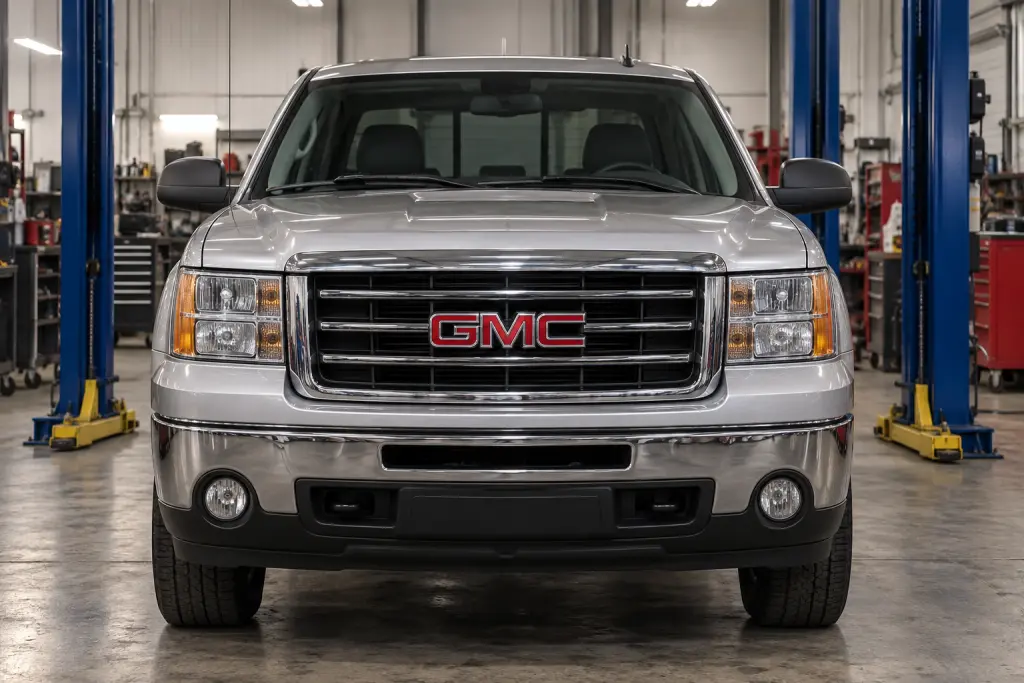
A ticking noise, rough idle, misfire, or sudden power loss in a 2014-or-newer GM truck or SUV with a 5.3L, 6.0L, or 6.2L V8 is commonly caused by collapsed AFM or DFM lifters. The Active Fuel Management (AFM) and Dynamic Fuel Management (DFM) systems deactivate cylinders to save fuel, but the specialized lifters that make this possible are prone to failing to re-latch. When they collapse, the affected cylinder stops firing and metal debris can enter the oil. This affects the Silverado 1500, Sierra 1500, Tahoe, Suburban, Yukon, Yukon XL, and Escalade from 2014 to present.
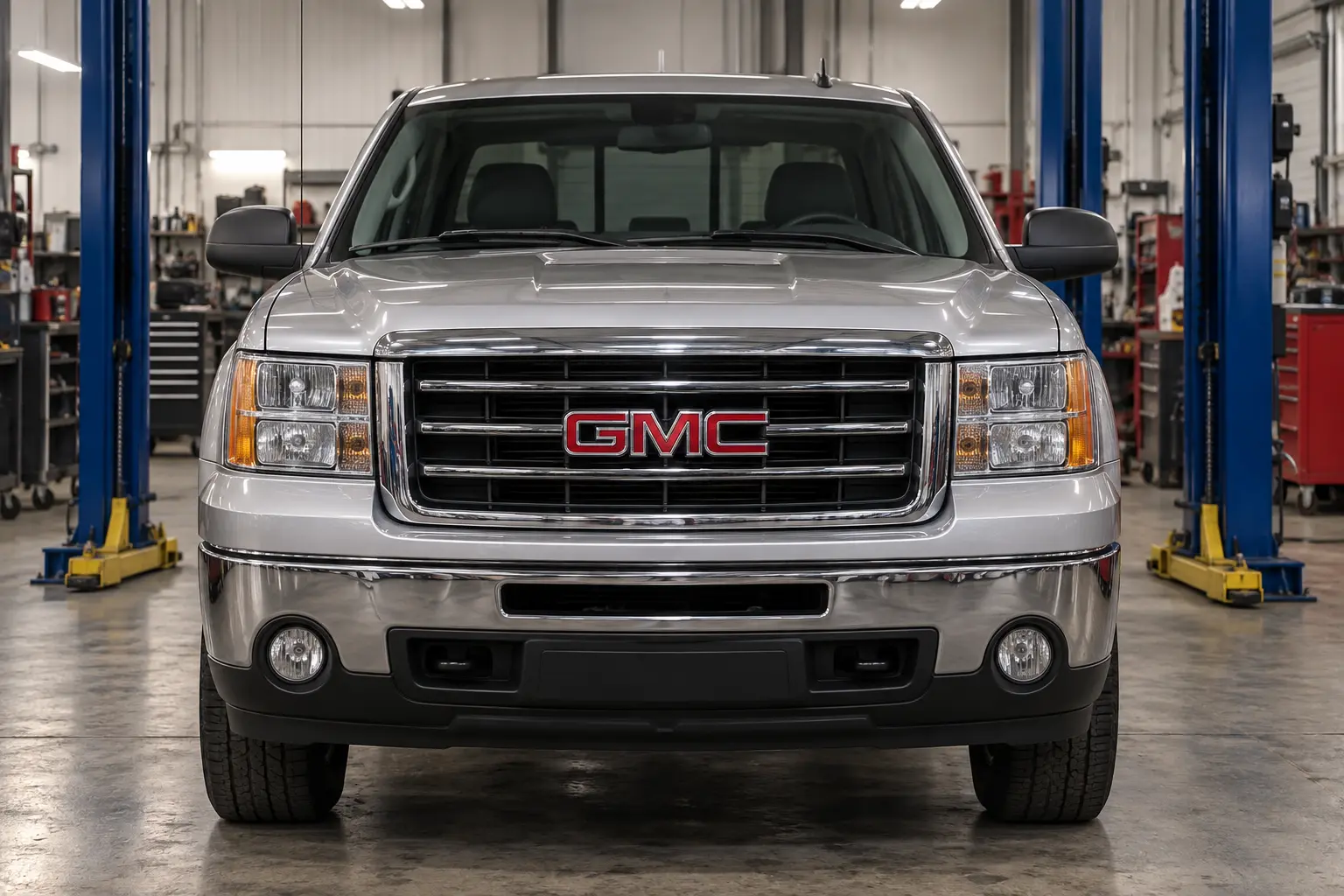
Which GM vehicles and engines are affected?
The AFM/DFM lifter problem is commonly reported on 2014-present GM full-size trucks and SUVs with the 5.3L V8 (L83, L84, L82, L87), the 6.0L V8 (L96), and the 6.2L V8 (L86, L87). Affected models include:
- Chevrolet Silverado 1500 (2014-present)
- GMC Sierra 1500 (2014-present)
- Chevrolet Tahoe (2014-present)
- Chevrolet Suburban (2014-present)
- GMC Yukon and Yukon XL (2014-present)
- Cadillac Escalade and Escalade ESV (2014-present)
If you drive one of these and your engine is ticking, misfiring, or losing power, the AFM/DFM lifters are the first thing to investigate.
What exactly is AFM/DFM, and why do the lifters fail?
AFM and its newer version DFM shut down cylinders under light load to improve fuel economy. They use special two-piece collapsible lifters that can bleed down and go inactive on command. These lifters rely on oil pressure and a small internal latch to re-engage when full power is needed. When that latch wears or oil passages get restricted, the lifter collapses and stays collapsed. The cylinder goes dead, and pieces of the lifter can break off and circulate through the oiling system.
What does a collapsed lifter feel like when you are driving?
The symptoms follow a clear progression. Catching it early saves the engine.
Early stage
A faint metallic tick at idle that fades at higher RPM. The engine may feel slightly rough at a stop. No check engine light yet, or a P3401, P3425, P3441, or P3449 code pointing to an AFM solenoid circuit.
Mid stage
The tick is louder and present at all RPMs. A P0300 random misfire or a cylinder-specific code like P0301 through P0308 appears. The engine shudders under acceleration, especially when merging onto US-59/I-69. Fuel economy drops noticeably.
Late stage
The engine misfires constantly and power loss is severe. The check engine light may be flashing. Metal debris from the failed lifter is now circulating in the oil and can score the camshaft, damage other lifters, and eventually destroy the engine.
Is it safe to keep driving with a collapsed lifter?
No. A flashing check engine light combined with a misfire means stop driving as soon as it is safe to do so. Even a steady check engine light with a confirmed misfire code should not be ignored for more than a day or two. Metal debris in the oil does not stay in one place. Every mile circulates that debris through bearings, galleries, and other lifters. What starts as a single lifter replacement can become a full engine replacement if you wait.
What DTCs will a scan tool show?
A scan will typically pull one or more of these codes:
| DTC | What it means | Urgency |
|---|---|---|
| P0300 | Random/multiple cylinder misfire | High |
| P0301-P0308 | Misfire in a specific cylinder | High |
| P3401 | Cylinder 1 deactivation/intake valve control circuit | Moderate to High |
| P3425 | Cylinder 4 deactivation/intake valve control circuit | Moderate to High |
| P3441 | Cylinder 6 deactivation/intake valve control circuit | Moderate to High |
| P3449 | Cylinder 7 deactivation/intake valve control circuit | Moderate to High |
P3401, P3425, P3441, and P3449 are specific to the AFM/DFM system. Seeing any of them alongside a misfire code is a strong indicator the lifters are the root cause.
Is there a recall or lawsuit covering this?
As of this writing, GM has not issued a recall for AFM/DFM lifter failure. Check your VIN at nhtsa.gov/recalls to confirm no open recall applies to your vehicle. You can also review your vehicle’s warranty coverage through GM’s owner resources at gm.com.
A class-action lawsuit, Harrison v. GM, alleges that the AFM/DFM lifter defect is widespread and that GM knew about it. The case is alleged and still in litigation. Details are available at gmlifterlawsuit.com. A lawsuit is not a recall and does not provide a free dealer repair. If your truck is still within its original powertrain warranty period, contact a GM dealer with your VIN. Out-of-warranty repairs are what an independent shop handles.
What does the repair actually involve?
There are two main paths, depending on how much damage has occurred and what the owner wants long-term.
Lifter replacement (OEM or upgraded)
The valley cover and intake manifold come off. The affected lifters are removed and replaced, the camshaft is inspected, and the oiling system is flushed. This restores the engine to stock configuration. The AFM/DFM system remains active, which means the same type of lifters are still doing the same job. Some owners choose upgraded aftermarket lifters with improved latch mechanisms for this reason.
AFM/DFM delete
The AFM/DFM lifters are replaced with standard solid-body lifters that do not collapse. A tuner or ECM calibration update disables the cylinder-deactivation function in the computer so it never tries to activate a system that no longer exists. This removes the root cause of the failure and is a common choice for trucks that are out of warranty and will be kept long-term.
What does this repair cost, and what moves the price?
There is no single number without seeing the vehicle, because several factors change the total significantly:
- Engine: The 5.3L and 6.2L have different part costs and slightly different labor access.
- Camshaft condition: If the cam lobes are worn, the camshaft must be replaced at the same time, adding parts and labor.
- Debris contamination: Heavy metal contamination in the oil means a more thorough flush and sometimes additional inspection of bearings and galleries.
- AFM delete vs. OEM replacement: A delete kit with a tuner costs more in parts but may prevent a repeat repair.
- Labor rate: A shop with an ASE Master Tech on staff and proper diagnostic equipment will charge accordingly, and that is appropriate for an engine job of this complexity.
An honest estimate requires a hands-on inspection and a code scan. If cost is a concern, Phil’s Car Care offers auto repair financing in Porter, TX so a major engine repair does not have to wait.

How does Phil’s Car Care diagnose and confirm the problem?
The process starts with a full electronic diagnostic scan to pull all stored and pending codes. From there, a cylinder contribution test identifies which cylinders are misfiring. The valve covers and valley cover are inspected for signs of lifter debris in the oil. If the codes and symptoms point to AFM/DFM lifter failure, the repair path and cost are explained before any work begins.
Phil’s Car Care pulls a Carfax maintenance history on every vehicle that comes in, which helps identify whether previous oil service intervals may have contributed to the problem. Every repair comes with a 3-year/36,000-mile warranty. Staying current on oil changes matters more than most owners realize on AFM/DFM engines, because low oil pressure accelerates lifter latch wear.
Brian Crocker, Manager at Phil’s Car Care and a 15-year automotive repair professional, and the Phil’s Car Care team will walk you through the diagnosis, explain what the codes mean in plain language, and let you make an informed decision about the repair. That is how this shop has worked since 1988.
If your truck has started ticking or misfiring, do not wait. The longer a collapsed lifter runs, the more of the engine it takes with it. Read about what causes shudder and misfire in other trucks if you want to understand how these diagnoses work. Find us at 22321 East Martin Drive in Porter, right off the feeder on US-59/I-69. We also serve the Humble area and Splendora.
Frequently Asked Questions
Does GM cover AFM/DFM lifter failure under warranty?
GM has not issued a recall for this issue. A class-action lawsuit, Harrison v. GM, alleges the defect is widespread, but it is still in litigation. If your truck is within its original powertrain warranty window, contact your GM dealer with your VIN. Out-of-warranty vehicles need a shop repair.
Can I keep driving with a collapsed lifter?
No. A collapsed lifter can drop metal debris into the oil, damaging the camshaft, other lifters, and the rest of the engine. Stop driving and have the vehicle diagnosed as soon as possible.
What is an AFM/DFM delete, and is it worth it?
An AFM/DFM delete replaces the failure-prone active fuel management lifters with standard solid lifters and installs a tuner to disable the cylinder-deactivation system in the ECM. It removes the root cause of the failure and is a common long-term fix for out-of-warranty trucks.
Which GM trucks and SUVs are affected?
The issue is commonly reported on 2014-present Silverado 1500, Sierra 1500, Tahoe, Suburban, Yukon, Yukon XL, and Escalade models equipped with the 5.3L, 6.0L, or 6.2L V8 with AFM or DFM.
What DTCs will I see with a collapsed lifter?
Common codes include P0300 (random misfire), P0301-P0308 (cylinder-specific misfires), P3401, P3425, P3441, and P3449, which point directly to AFM/DFM solenoid or lifter circuit faults.
Hearing a tick or feeling a misfire in your GM truck or SUV? Call Phil’s Car Care or schedule online. Brian Crocker, Manager at Phil’s Car Care and a 15-year automotive repair professional, and the team will pull the codes, inspect the lifters, and explain exactly what needs to happen before any work starts. AAA Authorized. ASE Master Tech on staff. 3-year/36,000-mile warranty on repairs.
Call us: 281-354-8700 | Schedule an appointment online
Hours: Monday-Friday 8:00 AM-6:00 PM, Saturday 9:00 AM-3:00 PM. Night drop-off available.
Sources
- Harrison v. GM AFM/DFM Lifter Lawsuit Information
- NHTSA Recalls Lookup – Verify open recalls by VIN
- GM Owner Resources

Bryan Crocker is the Manager at Phil's Car Care and has more than 15 years of automotive leadership and repair industry experience. After serving more than 10 years in the U.S. Army maintaining M1A2 Abrams tanks, Bryan transitioned into automotive repair management, where he successfully led multiple repair facilities, improved operations, and built high-performing teams. Today, he works alongside founder David Evans to oversee daily operations, support Phil's Car Care's continued growth, and help ensure every customer receives honest recommendations, quality repairs, and exceptional service.