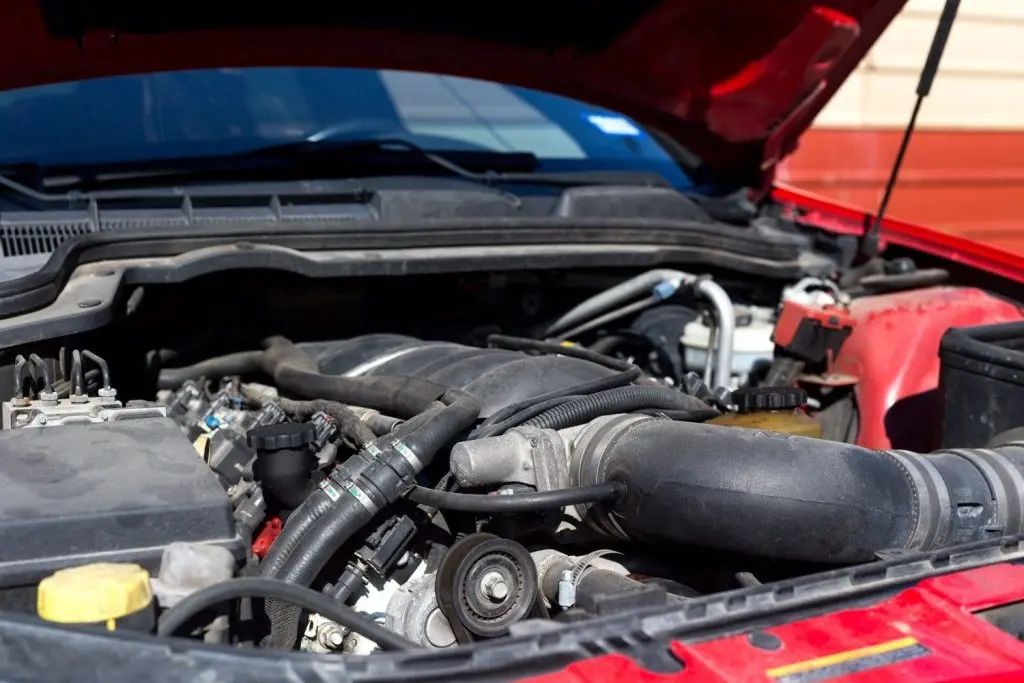
A rhythmic metallic tick from a 3.6L Pentastar V6 is not a normal engine sound and it does not go away. On 2011-2013 engines, the most common diagnosis is a left cylinder head valve seat failure that causes a tick and often a cylinder 2 misfire. On 2014-2018 engines, the tick is commonly diagnosed as worn rocker arms and lash adjusters, and it can show up on either bank. Left untreated, both problems progress to camshaft damage, metal debris in the oil, and bearing failure.
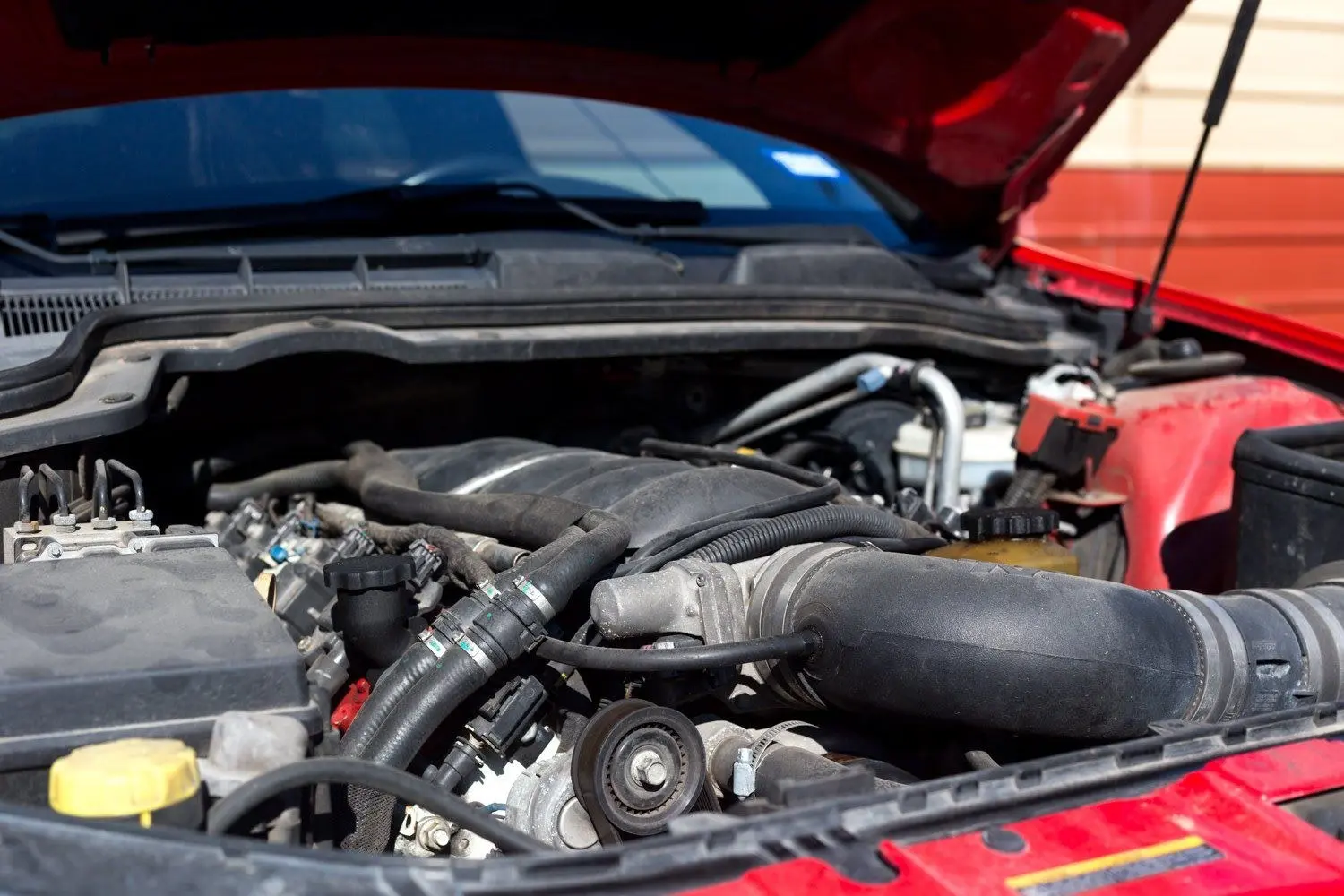
Which vehicles have this Pentastar tick problem?
The 3.6L Pentastar V6 (engine code ERB) was used across a wide range of FCA vehicles from 2011 through 2018. If your vehicle is on this list, pay attention to any ticking noise:
- Jeep Grand Cherokee (3.6L Pentastar)
- Jeep Wrangler (3.6L Pentastar)
- Dodge Durango (3.6L Pentastar)
- Dodge Charger (3.6L Pentastar)
- Dodge Challenger (3.6L Pentastar)
- Dodge Journey (3.6L Pentastar)
- Dodge Grand Caravan (3.6L Pentastar)
- Chrysler Town and Country (3.6L Pentastar)
- Chrysler 300 (3.6L Pentastar)
- Chrysler Pacifica (3.6L Pentastar)
- Ram 1500 (3.6L Pentastar)
- Ram ProMaster 1500 (3.6L Pentastar)
- Chrysler 200 (3.6L Pentastar)
- Dodge Avenger (3.6L Pentastar)
What is different between the 2011-2013 and 2014-2018 tick?
The two problems share a symptom but have different causes and different repairs.
On 2011-2013 engines, the left cylinder head is prone to a valve seat failure. The valve seat can loosen or wear, which causes a tick and often triggers a cylinder 2 misfire code. The fix requires removing the left cylinder head, inspecting the valve seats, and replacing or repairing the head. Chrysler extended the left cylinder head warranty to 10 years or 150,000 miles on affected 2011-2013 engines. That coverage has expired for most owners now, so the repair is handled as a standard out-of-warranty engine job.
On 2014-2018 engines, the more common diagnosis is worn rocker arms and lash adjusters (also called lifters). The rocker arms contain needle bearings that wear over time, especially when oil changes are delayed or oil breaks down from heat cycling. This tick can appear on either bank, not just the left side. The repair does not require removing the cylinder head.
How does the damage progress if you keep driving?
The symptom stages move quickly once the tick appears:
| Stage | What you notice | What is happening inside | Urgency |
|---|---|---|---|
| Early | Light rhythmic tick at idle, may quiet at operating temp | Rocker needle bearings beginning to wear (2014-2018) or valve seat loosening (2011-2013) | Schedule diagnosis soon |
| Mid | Tick is constant, louder under load, present at all temps; possible misfire | Metal-to-metal contact at rocker or valve seat; cam lobe contact beginning | Do not delay |
| Late | Loud knock, confirmed misfire, oil pressure warning | Metal debris in oil, cam lobe damage, bearing risk | Stop driving, tow to shop |
Is it safe to keep driving with the Pentastar tick?
Short distances to get the vehicle diagnosed are generally acceptable at the early stage. Continued daily driving is not. Once metal particles enter the oil, they circulate through every bearing surface in the engine. Rod bearings and main bearings can fail. An engine that started as a rocker arm job or a head repair can become a full engine replacement if you wait too long.
If the tick is accompanied by a misfire code, a drop in oil pressure, or a sudden increase in noise, stop driving and have the vehicle towed. Those are signs the damage has moved past the original failure point.
What does the repair involve?
Diagnosis starts with a full engine diagnostic to confirm the noise source and check for any stored fault codes. The technician will also check oil condition and look for metallic contamination, which tells you how far the damage has spread.
For a 2014-2018 rocker arm and lash adjuster repair, the valve cover comes off and the camshafts are removed to access the rocker arms and lash adjusters. Each rocker arm is inspected and worn units are replaced. The cam lobes are inspected at the same time; a lobe with a flat spot or scoring means the camshaft itself needs replacement. The camshafts go back in, the valve cover is resealed, and an oil service with fresh fluid is the final step. The cylinder head does not come off for this repair unless further damage is found.
For a 2011-2013 left head valve seat repair, the left cylinder head is removed. The valve seats are inspected and replaced or the head is replaced, depending on the condition. New head gaskets and hardware go in on reassembly. If metal debris is found in the oil, a thorough flush and bearing inspection are added to the scope.
What does this repair cost?
There is no honest single number without seeing the vehicle. Several things move the price:
- Which problem you have: A rocker arm and lash adjuster replacement on a 2014-2018 engine is a different labor scope than a full left head removal on a 2011-2013 engine.
- Damage stage: A repair caught early costs significantly less than one that also requires a new camshaft or an oil system flush for metal contamination.
- Parts needed: Rocker arm assemblies, lash adjusters, camshaft, head gasket set, and hardware vary in cost by model and year.
- Labor time: Left head removal on a Grand Cherokee or Ram 1500 takes longer than on a Charger due to engine bay packaging.
- Oil system condition: If metal debris is found in the oil, a thorough flush and bearing inspection add time and parts.
The best move is a diagnosis first. That tells you exactly what is damaged and gives you a real number before any work begins. If repair financing is a concern, Phil’s Car Care offers auto repair financing in Porter, TX.
Why does this matter more out here on the 59 corridor?
Porter and New Caney sit right on US-59/I-69, and a lot of the vehicles running that corridor every day are Ram 1500s, Grand Cherokees, and Durangos. The stop-and-go through the construction stretches, combined with the heat and humidity this part of East Texas puts on an engine, means oil breaks down faster and thermal cycling is harder on internal components. Keeping up with oil changes on the correct interval is genuinely more important here than it would be in a drier, cooler climate.

How does Phil’s Car Care confirm and fix the Pentastar tick?
Every vehicle that comes in gets a Carfax maintenance history pull and a digital vehicle inspection before any work is recommended. That history matters on a Pentastar tick because oil change intervals tell the story of how the engine has been treated. Bryan Crocker, Manager at Phil’s Car Care with more than 15 years of automotive leadership and repair experience, and the Phil’s Car Care team will walk you through exactly what the inspection finds, explain what needs to happen and why, and let you make the call. No pressure, no guessing. Every repair is backed by a 3-year/36,000-mile warranty.
If you drive a Grand Cherokee, Wrangler, Ram 1500, Charger, Durango, or any other 2011-2018 Pentastar-equipped vehicle and you are hearing a tick, do not wait for it to get louder. Related reading: GM 5.3/6.2 V8 Ticking or Misfiring? The AFM/DFM Lifter Fix covers a similar tick-and-lifter pattern on GM engines if you have both in the household. We also serve drivers coming in from New Caney, Humble, and Splendora.
Hear a tick in your Pentastar V6? Let’s find out what it is.
Call Phil’s Car Care at 281-354-8700 or schedule your diagnostic appointment online. We are at 22321 East Martin Drive in Porter, TX. Monday through Friday 8:00 AM to 6:00 PM, Saturday 9:00 AM to 3:00 PM. Night drop-off available.
Frequently Asked Questions
Which vehicles have the 3.6L Pentastar tick problem?
The tick has been reported on 2011-2018 Grand Cherokee, Wrangler, Durango, Charger, Challenger, Journey, Grand Caravan, Town and Country, 300, Pacifica, Ram 1500, ProMaster 1500, 200, and Avenger models with the 3.6L Pentastar V6. The cause differs by year: 2011-2013 engines are prone to a left cylinder head valve seat failure; 2014-2018 engines are more commonly diagnosed with rocker arm and lash adjuster wear on either bank.
Will the tick go away on its own?
No. The tick signals mechanical wear. It does not self-correct, and it typically gets louder and more damaging over time.
Can I drive it if the tick just started?
Short distances to get it diagnosed are generally okay, but continued daily driving risks cam failure, metal contamination in the oil, and bearing damage that can total the engine.
Did Chrysler ever cover the left head repair for free?
Chrysler extended the left cylinder head warranty to 10 years or 150,000 miles on 2011-2013 Pentastar engines. That coverage has expired for most owners now. If your vehicle is outside that window, the repair is a standard out-of-warranty engine job.
What does the repair cost?
Cost depends on which problem you have, how far the damage has progressed, and your specific vehicle. A rocker arm and lash adjuster replacement on a 2014-2018 engine is a different scope than a full left head removal on a 2011-2013 engine. Get a diagnosis first so you know exactly what you are dealing with.
Sources

Bryan Crocker is the Manager at Phil's Car Care and has more than 15 years of automotive leadership and repair industry experience. After serving more than 10 years in the U.S. Army maintaining M1A2 Abrams tanks, Bryan transitioned into automotive repair management, where he successfully led multiple repair facilities, improved operations, and built high-performing teams. Today, he works alongside founder David Evans to oversee daily operations, support Phil's Car Care's continued growth, and help ensure every customer receives honest recommendations, quality repairs, and exceptional service.